- Classes: Wed 6-8pm & Sun 12-2pm
- Call Us: +44 7727 874307
- Email:info@bkmcommunity.com
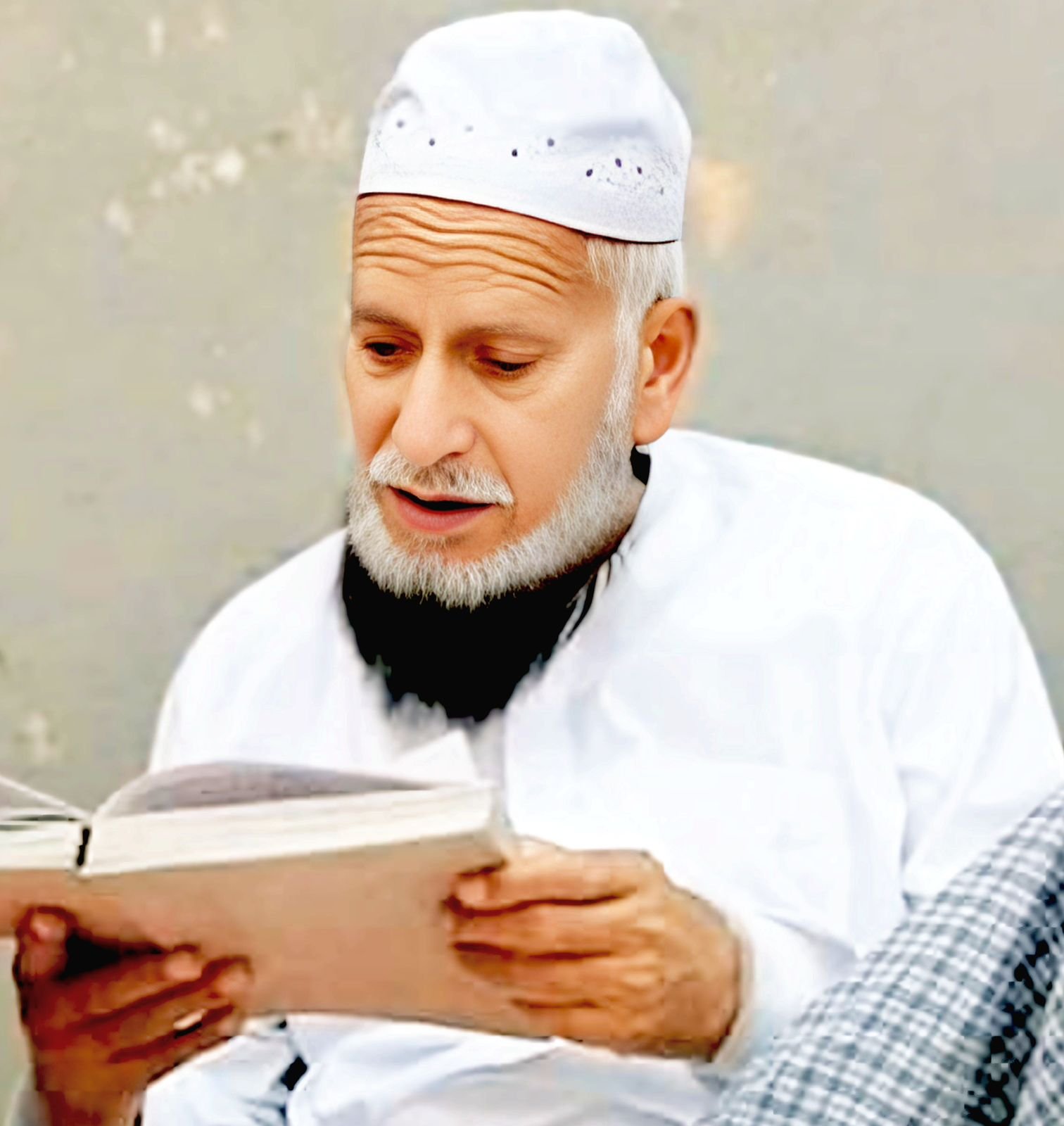
A large number of Muslims carry a quiet embarrassment about the Quran. They own one, they treat it with respect, and they have never really read it. Perhaps they learned to sound out the Arabic as a child and retained the mechanics without the meaning. Perhaps they open a translation occasionally, read a few pages, encounter something confusing, and close it again.
If that describes you, you are in very ordinary company, and the situation is more fixable than it feels.
Do Not Start at the Beginning
The single most common mistake is opening at page one and proceeding forward.
The Quran is not arranged chronologically or as a narrative. After the short opening chapter comes Surah Al-Baqarah, the longest chapter in the book, which moves between law, history, and theology in ways that assume context a first-time reader does not have. A great many sincere attempts have died somewhere in its middle.
Start instead with the short chapters at the end. They are mostly early revelations from the Makkan period, they are vivid and direct, and many will already be familiar from prayer. Reading them with a translation, recognising words you have recited for years without understanding, is often the moment something opens.
From there, move to accessible medium-length chapters. Surah Yusuf tells a single continuous story and reads unlike anything else in the book. Surah Ar-Rahman has a rhythm that survives translation. Surah Luqman contains a father’s advice to his son that is immediately recognisable as parenting.
Choose Your Translation Carefully
Translation quality varies enormously, and a difficult translation will be blamed on the text.
Older English translations often use archaic constructions that add a layer of difficulty that is not in the Arabic. Newer ones tend to read more naturally. Some editions include extensive commentary, which helps enormously with context but can overwhelm a first reading.
Practical advice: look at two or three, read the same passage in each, and pick the one you actually understand. Ask a teacher you trust for a recommendation, since some translations carry particular interpretive commitments worth knowing about.
Remember that a translation is not the Quran itself but one person’s rendering of its meaning. This is why comparing two translations of a difficult verse is often clarifying.
Read a Little, Regularly
Ambitious plans fail. A page or two daily, sustained, will take you through the entire Quran in a year or two and will teach you far more than an intensive fortnight followed by nine months of nothing.
Attach the reading to something already fixed in your day. After Fajr, before bed, on a commute. Habits anchored to existing routines survive; habits relying on remembering do not.
The tradition consistently favours the small and consistent over the large and sporadic, and this is one of the clearest applications of that principle.
Expect Difficulty, and Do Not Panic
You will encounter passages that confuse you, and some that trouble you.
This is normal and has always been normal. The Quran refers to itself as containing verses that are clear in meaning and others that are not straightforward (3:7), and an entire scholarly discipline exists to address exactly this.
Several things help. Context often resolves apparent difficulty, since many verses respond to specific situations. A commentary explains what a bare translation cannot. And a teacher can answer in an afternoon what might otherwise unsettle you for months.
What does not help is either forcing an interpretation to make discomfort go away, or quietly concluding that you have found a fatal problem. Both foreclose the question prematurely. It is entirely acceptable to note a difficulty, keep reading, and return to it.
Learn the Arabic Gradually
Reading in translation is genuinely valuable, and nobody should postpone understanding until they have mastered Arabic.
That said, even limited Arabic changes the experience noticeably. The Quran’s vocabulary is more restricted than the language as a whole, and the most common words recur constantly. Learning a few hundred of them means recognising a meaningful proportion of what you recite.
Word-by-word translations, which place the meaning beneath each Arabic word, are an efficient bridge. So is any structured class. Adults frequently assume they have missed the window for language learning, which is not supported by evidence and functions mainly as a reason not to begin.
Read to Be Changed
The most important adjustment is one of posture.
The Quran describes itself as guidance. Approaching it primarily as a historical document, a source of arguments, or a text to have completed misses what it asks of a reader.
A more useful question while reading is simply: what does this ask of me? Sometimes the answer is direct. Sometimes it is a description of a character trait worth examining against your own. Reading this way is slower and considerably more uncomfortable, and it is the reading that changes people.
Start This Week
Pick a translation. Open it at the short chapters near the end. Read one page. Do it again tomorrow.
If you would like structure or help, BKM Community Group in Manchester runs Quran classes, beginners Tajweed, and free Arabic and Urdu classes for adults and children. Nobody will be embarrassed by your starting point. Call 07727 874307 or get in touch.
© 2026 BKM Community Group (Bazm e Khizr e Milat), Manchester. All rights reserved. Privacy Policy
Leave Your Comments