- Classes: Wed 6-8pm & Sun 12-2pm
- Call Us: +44 7727 874307
- Email:info@bkmcommunity.com
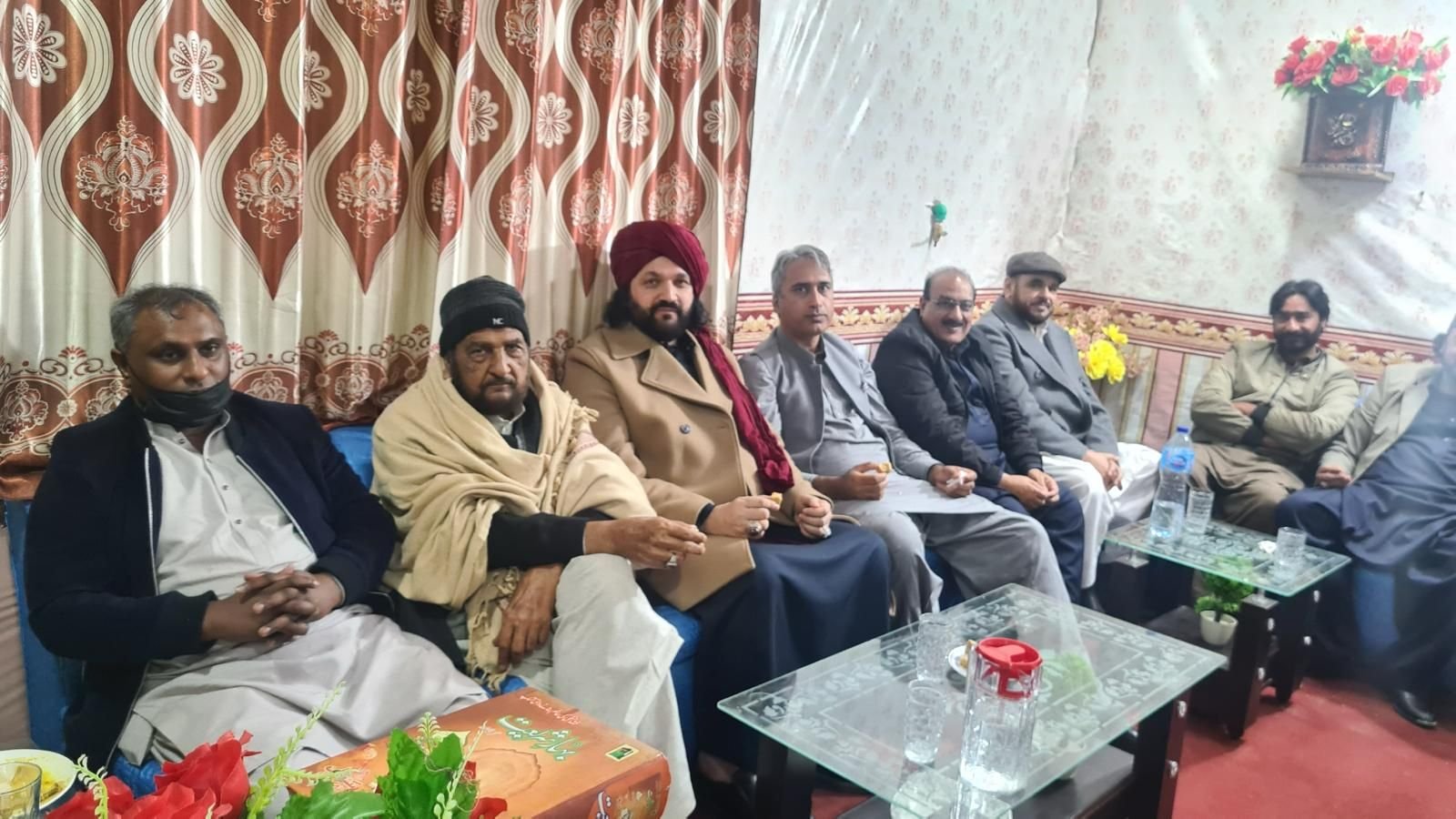
A nikah is, in its essentials, remarkably simple. An offer, an acceptance, two witnesses, a mahr, and two people who both want it. Everything else — the hall, the caterer, the three-day programme — is culture, and culture is not obligation.
What follows covers what the contract actually requires, what the mahr is and is not, and one point about the law in England and Wales that a great many couples discover far too late.
What a Nikah Requires
The contract itself consists of:
- An offer and an acceptance — ijab and qabul — made in the same sitting, in clear and unconditional terms.
- Two witnesses.
- The free consent of both parties.
- A mahr, specified.
On the question of the wali, the bride’s guardian, the schools differ. The Maliki, Shafi’i and Hanbali schools hold that the marriage of a woman requires her guardian to contract it. The Hanafi school permits an adult woman of sound mind to contract her own marriage, while still treating the involvement of her family as strongly preferable. If you are unsure which position applies to you, ask the scholar conducting the nikah before the day rather than on it.
The Mahr Belongs to the Bride
This is the point most consistently misunderstood, and the misunderstanding causes real harm.
The mahr is a payment from the husband to the wife. It is hers absolutely. It is not a payment to her father, it is not a contribution towards the wedding, and it is not a price. She may spend it, save it, invest it or give it away, and no one has a claim on it.
Practical points:
- It must be specified in the contract, not left vague to be settled later.
- It may be paid immediately (mu’ajjal) or deferred (mu’akhkhar), or split between the two. If deferred, put the amount and the terms in writing.
- It can be money, property, gold, or something non-material such as teaching her a portion of the Quran — all of which have precedent.
- An amount that will genuinely never be paid is not generosity. A modest mahr that is actually handed over is worth more than a grand figure that both families know is theatre.
Consent Is Not a Formality
A marriage contracted without the genuine consent of either party is defective. Al-Bukhari records (Sahih al-Bukhari 5138) the case of a woman who came to the Prophet, peace be upon him, and told him her father had married her against her wishes; he gave her the choice to annul it.
It should also be said plainly: in the United Kingdom, forcing someone into marriage is a criminal offence. Pressure exerted through emotional obligation, through threats to withdraw family contact, or through travel arranged without the person’s knowledge, is not permissible religiously and may not be lawful either.
If this is your situation, or someone you know is in it, help exists and it can be sought confidentially.
Choosing Well
The best-known guidance is the narration in al-Bukhari and Muslim (Sahih al-Bukhari 5090; Sahih Muslim 1466) that a woman is married for four things — her wealth, her lineage, her beauty and her religion — with the instruction to prioritise religion. The same standard is applied to men in the reports about accepting a proposal from someone whose character and practice are sound.
Two practical additions from the Sunnah that families sometimes forget:
- Look before proposing. Prospective spouses are encouraged to see one another, so that the decision is made with open eyes.
- Pray istikhara. Not as a way of receiving a dream, but as a way of asking for the outcome to be made good and for the heart to be settled.
And a note on compatibility: shared expectations about work, money, where you will live, children, and how much involvement each set of parents will have are not unromantic details. They are the questions that determine whether the marriage is peaceful. Ask them before the contract, not after.
The Legal Position in England and Wales
This matters enormously and is regularly missed.
A nikah performed on its own — in a home, a community hall, or a mosque that is not registered for marriages — is generally not recognised as a legal marriage in England and Wales. The couple are married in the eyes of Allah and of their community, and unmarried in the eyes of the law.
The consequences only appear when something goes wrong:
- On separation there is no access to the financial remedies available on divorce.
- On death there is no automatic right of inheritance as a spouse, and no spousal exemption for inheritance tax.
- Immigration and next-of-kin questions become considerably harder.
The usual remedies are to marry in a mosque registered for marriages with an authorised person present, or to have a civil ceremony at a register office alongside the nikah. Many Manchester couples do the civil registration quietly a few days before, and the nikah as the occasion the family attends.
This article is general information and not legal advice. If anything above affects you — particularly if you have been married by nikah alone for some years — take advice from a solicitor who deals with family law.
The Walima, and Not Overspending
The walima, the marriage feast hosted after the marriage, is an established Sunnah. What it is not is an obligation to spend a sum that starts the marriage in debt.
The narration commonly cited on this point holds that the marriage with the greatest blessing is the one with the least burden. Whatever weight one gives to a particular chain of transmission, the principle is well established across the tradition: a wedding that impoverishes two families is not a religious success.
Feed people well, invite those who will not otherwise eat that day, and keep it within your means.
Looking for a Partner in Manchester
BKM Community runs a matrimonial service for members of our community, handled discreetly and with families involved as they wish to be. You can read about how it works on our matrimonial service page, or contact us for a confidential conversation.
Further reading in our tradition
This article follows the Hanafi school as it is taught in the Ahl-e-Sunnat tradition. The standard reference works are:
- Bahar-e-Shariat — Mufti Amjad Ali Azmi. The complete Hanafi fiqh manual in Urdu, and the first place to look for a ruling on worship.
- Fatawa Ridawiyya — Imam Ahmad Raza Khan (Ala Hazrat). Rulings on specific questions. Read on Archive.org
- Tafsir Noor-ul-Irfan — Mufti Ahmad Yar Khan Naeemi. Commentary on the Quran alongside Kanz-ul-Iman. English edition on Archive.org
These are named as the authoritative works of the tradition this article follows. Page references have not been checked against them here. Where anything in this article differs from these works, they are correct and this article is not.
About this article
This article covers the Islamic contract and, separately, the legal position in England and Wales. It is not legal advice. For your own marriage, speak to your imam and, on the legal side, to a solicitor.
Published by BKM Community, Manchester. If you believe something here is inaccurate, please tell us and we will correct it.
© 2026 BKM Community Group (Bazm e Khizr e Milat), Manchester. All rights reserved. Privacy Policy
Leave Your Comments