
- Classes: Wed 6-8pm & Sun 12-2pm
- Call Us: +44 7727 874307
- Email:info@bkmcommunity.com
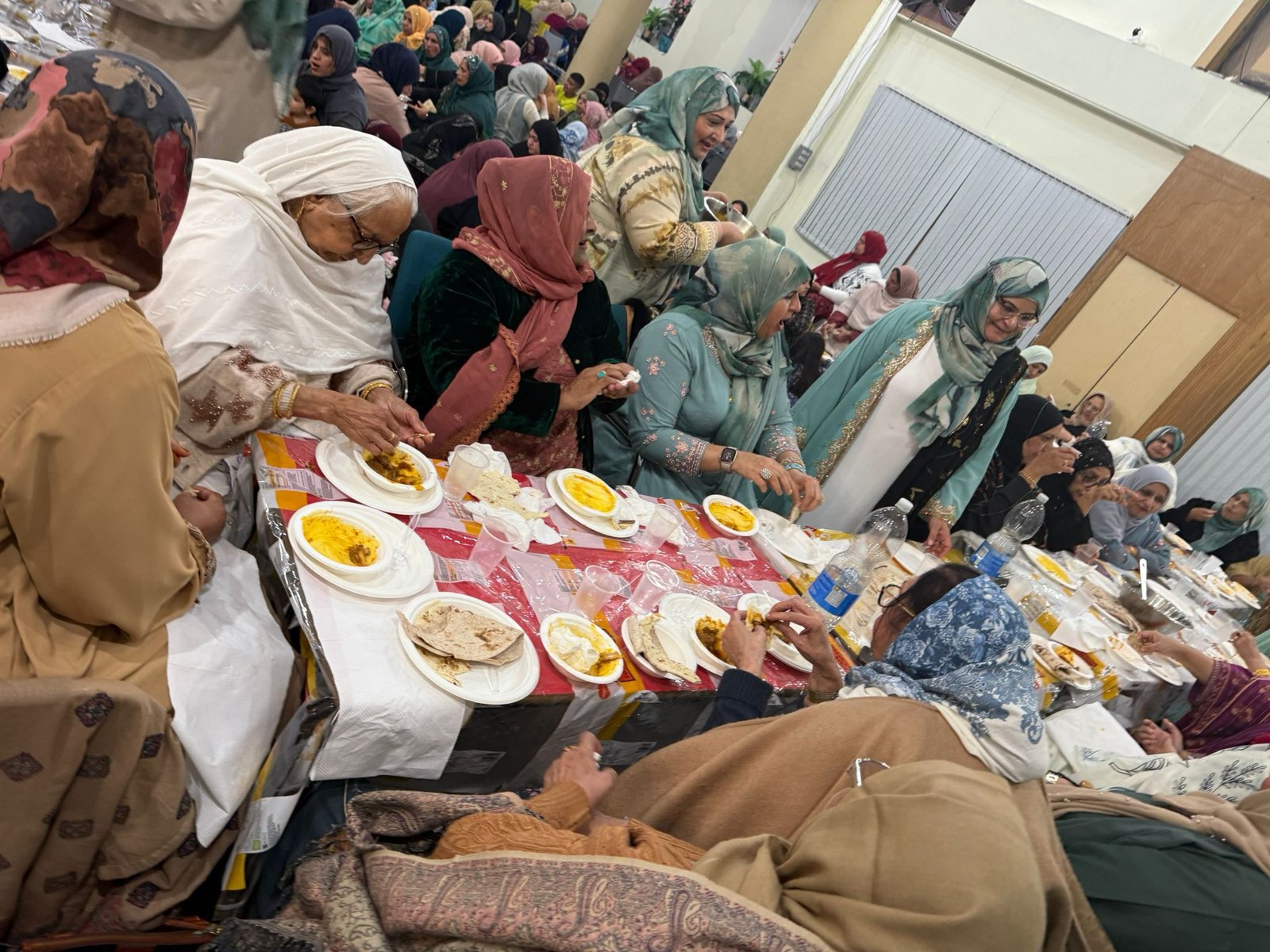
When people talk about following the Sunnah, they usually mean the acts of worship — the extra prayers, the voluntary fasts. Those matter. But a very large portion of what was recorded about the Prophet, peace be upon him, concerns nothing of the sort. It concerns how he slept, how he ate, how he greeted people and how he treated the person serving him.
That material is easy to skip past, because none of it looks like worship. It is worth taking seriously precisely because it is the part that shapes a life rather than an hour of it.
Sleep
The reported pattern is consistent and, by modern standards, striking: sleep early, wake early, and treat the last part of the night as the most valuable rather than the most disposable.
- Perform wudu before sleeping. Reported in both al-Bukhari and Muslim (Sahih al-Bukhari 247; Sahih Muslim 2710).
- Sleep on the right side, with the right hand under the cheek.
- Sleep early after Isha. Late-night conversation without purpose was actively discouraged.
- Take a short midday rest — qaylulah — if the day allows it. Twenty minutes, not two hours.
The habit that changes the most, for most people, is the first hour of the day rather than the last hour of the night. The Prophet, peace be upon him, supplicated: O Allah, bless my ummah in its early mornings. Reported by Abu Dawud and al-Tirmidhi (Sunan Abi Dawud 2606; Jami` at-Tirmidhi 1212). Anyone who has tried working before Fajr and after it will recognise what is being described.
Food
The guidance around eating is unusually detailed, and almost none of it is about what is halal.
- Say Bismillah, eat with the right hand, and eat from what is nearest you.
- Do not criticise food. It is reported that the Prophet, peace be upon him, never found fault with any food; if he liked it he ate it, and if not, he left it. Recorded by al-Bukhari and Muslim (Sahih al-Bukhari 5409; Sahih Muslim 2064). Consider how much household friction that single habit would remove.
- Eat together. Blessing is described as being in the company, not the quantity. Reported by Ibn Majah (Sunan Ibn Majah 3287).
- Stop before you are full. The well-known narration recommends a third of the stomach for food, a third for drink and a third left for breath. Reported by al-Tirmidhi and Ibn Majah (Jami` at-Tirmidhi 2380; Sunan Ibn Majah 3349).
- Do not waste. Finishing what is on the plate, and not taking more than you will eat, is directly in this tradition.
Sitting down to eat, without a screen, with other people, and stopping before discomfort — that is most of it.
Cleanliness
The miswak has a status most people underestimate. Were it not that I would burden my ummah, I would have commanded them to use the siwak at every prayer, recorded in al-Bukhari and Muslim (Sahih al-Bukhari 887; Sahih Muslim 252). Whether you use a miswak stick or a toothbrush, the point is that oral cleanliness was tied to prayer rather than to appearances.
Alongside it: trimming the nails, removing unwanted hair, ghusl on Friday before Jumu’ah, clean clothes, and the use of fragrance — all reported, none of them incidental. The consistent theme is that a Muslim should not be the person others find it unpleasant to sit next to.
Speech and Manners
This is where the Sunnah is most demanding and least practised.
- Give salam first. Spreading the greeting was described as a cause of mutual love. Recorded by Muslim (Sahih Muslim 54).
- Smile. Your smiling in the face of your brother is charity — Jami` at-Tirmidhi 1956. It is listed as an act of charity, not as a pleasantry.
- Speak well or stay silent. Whoever believes in Allah and the Last Day, let him speak good or remain silent. Sahih al-Bukhari 6018; Sahih Muslim 47. Applied to group chats, this would remove a remarkable amount of trouble.
- Do not interrupt, and listen fully. Companions described him turning his whole body towards whoever was speaking to him.
- Keep promises, including small ones to children.
- Be gentle with those who serve you. Anas ibn Malik, may Allah be pleased with him, served him for ten years and reported never once being rebuked for something done or left undone.
Starting With the Right
A small, recurring pattern: he liked to begin with the right in putting on shoes, in combing, in purification and in all matters of that kind. Entering the mosque with the right foot, leaving with the left. Entering the bathroom with the left, leaving with the right.
None of these is weighty on its own. Taken together they do something specific — they place a moment of awareness at the front of ordinary actions that would otherwise be entirely automatic.
How to Actually Begin
The temptation is to attempt all of it on a Monday and abandon it by Thursday. A more realistic approach:
- Pick two. One about the body, one about speech. For example: sleeping in wudu, and giving salam first to everyone you pass at the mosque.
- Keep them for a month before adding anything.
- Learn the reason as you go. A practice you understand survives a bad week; one you merely copy does not.
- Do not perform it. Announcing your Sunnah habits to other people tends to hollow them out fairly quickly.
The point of all this is not to reconstruct seventh-century Madinah in a Manchester terrace. It is that a person who eats with attention, sleeps early, greets people first and holds their tongue is a noticeably better person to live with — and that this, rather than anything ostentatious, is what the Sunnah was mostly concerned with.
Our teaching sessions and classes in Manchester cover the seerah and the practical side of daily practice. The current programme is listed under events, and questions are welcome by message.
Further reading in our tradition
This article follows the Hanafi school as it is taught in the Ahl-e-Sunnat tradition. The standard reference works are:
- Bahar-e-Shariat — Mufti Amjad Ali Azmi. The complete Hanafi fiqh manual in Urdu, and the first place to look for a ruling on worship.
- Fatawa Ridawiyya — Imam Ahmad Raza Khan (Ala Hazrat). Rulings on specific questions. Read on Archive.org
- Tafsir Noor-ul-Irfan — Mufti Ahmad Yar Khan Naeemi. Commentary on the Quran alongside Kanz-ul-Iman. English edition on Archive.org
These are named as the authoritative works of the tradition this article follows. Page references have not been checked against them here. Where anything in this article differs from these works, they are correct and this article is not.
About this article
This article is general guidance. Where a narration is quoted, the collection is named so you can check it for yourself.
Published by BKM Community, Manchester. If you believe something here is inaccurate, please tell us and we will correct it.
Leave Your Comments
© 2026 BKM Community Group (Bazm e Khizr e Milat), Manchester. All rights reserved. Privacy Policy
One Comment to 'The Sunnah of Ordinary Days: Prophetic Habits for Sleep, Food and Manners'
What Did the Prophet Muhammad Look Like?
9 October 2026 at 10:32 am[…] reading: The Sunnah of Ordinary Days and Darood […]