
- Classes: Wed 6-8pm & Sun 12-2pm
- Call Us: +44 7727 874307
- Email:info@bkmcommunity.com
Most people meet Ramadan unprepared. The month arrives, the first few fasts are rough, the sleep schedule collapses, and by the time a rhythm finally settles it is already the third week. Then the month ends and there is a familiar feeling of having not quite made the most of it.
This is avoidable. Ramadan rewards preparation more than almost any other act of worship, precisely because it demands so much change at once. What follows is a practical approach to getting ready, organised by how much time you have left.
Why Preparation Matters
Ramadan asks you to change several habits simultaneously. You stop eating during daylight. You wake before dawn. You add nightly prayers. You attempt to read considerably more Quran than usual. Each of these on its own is a significant adjustment. Attempting all four cold, on the first night, is why the opening week feels so punishing.
The Quran describes Ramadan as the month in which the Quran was revealed, guidance for the people (2:185). The month has a purpose beyond hunger. But reaching that purpose is difficult if you spend the first ten days simply recovering from caffeine withdrawal and broken sleep.
Two Months Before: Fix Your Sleep
Sleep is the single biggest predictor of how Ramadan will feel. The month requires waking for suhoor before dawn and, for many, praying taraweeh late into the evening. If you are currently sleeping from 1am to 9am, that pattern will not survive contact with Ramadan.
Start shifting earlier now, in increments of fifteen or twenty minutes rather than all at once. The aim is to be comfortable sleeping shortly after Isha and waking before Fajr. If you can reach that point before Ramadan begins, you will have removed the largest single source of difficulty.
This is also the time to reduce caffeine if you drink a lot of it. Cutting from four cups a day to zero overnight, while fasting, produces headaches that have nothing to do with hunger.
One Month Before: Practise Fasting
Voluntary fasting before Ramadan is a long-established practice, and it serves an obvious practical function. It tells your body what is coming.
Many Muslims fast on Mondays and Thursdays, or during the month of Sha ban which immediately precedes Ramadan. Even a handful of practice fasts will make the first days of Ramadan noticeably easier. You will learn how your body responds, what suhoor keeps you going longest, and where in the day your energy actually dips.
Use these practice fasts to test your suhoor. Meals built around slow-releasing carbohydrates, protein, and plenty of water tend to hold up far better than sugar and white bread, which spike and crash.
One Month Before: Settle Your Debts
If you missed fasts in previous Ramadans because of illness, travel, pregnancy, or menstruation, those days are owed and should be made up before the next Ramadan arrives. Many people postpone this until the final weeks and then find themselves rushing.
Take an honest count of what you owe and schedule it. If illness or age makes fasting genuinely impossible, there are provisions for feeding a person in need for each missed day instead. If you are unsure which applies to your situation, ask a teacher rather than guessing.
Two Weeks Before: Set a Realistic Quran Plan
The ambition to complete the entire Quran during Ramadan is admirable and, for many people, unrealistic. Completing the Quran in thirty days requires roughly twenty pages daily, which is around an hour of reading for an average reader.
Decide honestly whether you have that hour. If you do, divide it: a few pages after each of the five prayers is far more sustainable than one long sitting. If you do not, set a smaller target and actually meet it. Finishing half the Quran with attention is worth more than abandoning a full reading in week two.
Consider pairing your reading with a translation or short commentary. Reading words you do not understand has value, but understanding them changes the month entirely.
One Week Before: Prepare the Practical Details
Handle the logistics now so they do not consume your attention later.
- Plan meals in advance. Deciding what to cook at 5pm while fasting is a poor use of limited energy. Batch cooking and freezing meals ahead saves hours across the month.
- Adjust your work schedule if you can. Many employers will accommodate an earlier start or a shifted lunch break if asked in advance.
- Plan your zakat. Many Muslims choose to pay zakat during Ramadan. Calculate what you owe now rather than in the last ten nights, when your attention is better spent elsewhere.
- Reduce your commitments. Look at your calendar for the coming month and remove what can be removed.
The Spiritual Preparation That Matters Most
All of the above is logistics. It clears obstacles, but it is not the point.
The month is fundamentally about turning attention toward God, and that turn can begin before the first fast. Increase your voluntary prayers now. Make istighfar a habit. Repair a relationship you have let go cold. Identify one specific habit you intend to leave behind and start leaving it.
There is a well-known principle in a narration recorded by Bukhari that actions are judged by their intentions. Forming a clear intention before Ramadan begins, rather than drifting into it, changes the character of everything that follows.
A Realistic Expectation
You will not have a perfect Ramadan. Almost nobody does. There will be days when you are irritable, prayers you rush, and nights when you sleep instead of standing.
This is not failure. The month is long, and a bad day does not cancel a good one. What matters is returning, repeatedly, without deciding that a lapse has ruined the whole enterprise. Ramadan is designed for ordinary people with ordinary weaknesses, and its mercy is considerably larger than most of us assume.
Ramadan With Us in Manchester
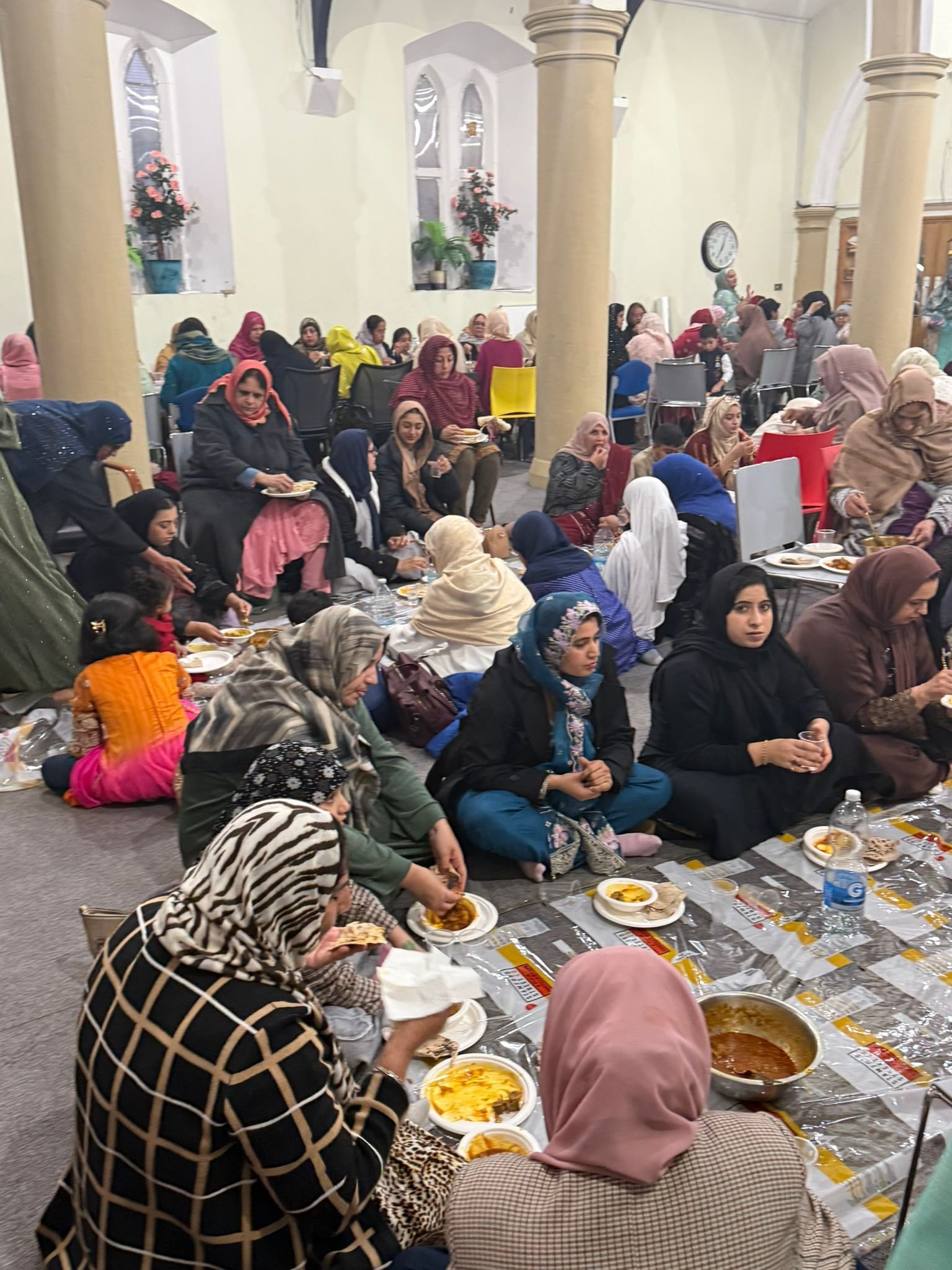
BKM Community Group holds community iftars, gatherings and Quran study sessions throughout Ramadan in Manchester. Everyone is welcome, whether you have fasted every year of your life or are attempting your first. Call 07727 874307 or contact us for this year’s schedule.
Further reading in our tradition
This article follows the Hanafi school as it is taught in the Ahl-e-Sunnat tradition. The standard reference works are:
- Bahar-e-Shariat — Mufti Amjad Ali Azmi. The complete Hanafi fiqh manual in Urdu, and the first place to look for a ruling on worship.
- Fatawa Ridawiyya — Imam Ahmad Raza Khan (Ala Hazrat). Rulings on specific questions. Read on Archive.org
- Tafsir Noor-ul-Irfan — Mufti Ahmad Yar Khan Naeemi. Commentary on the Quran alongside Kanz-ul-Iman. English edition on Archive.org
These are named as the authoritative works of the tradition this article follows. Page references have not been checked against them here. Where anything in this article differs from these works, they are correct and this article is not.
© 2026 BKM Community Group (Bazm e Khizr e Milat), Manchester. All rights reserved. Privacy Policy
Leave Your Comments